

Craft Exceptional
Wine, Mead & Cider
At Home.
Crafted with passion, patience, and a touch of alchemy. Explore small-batch artisan wines, meads, and ciders brewed by hand, backed by precision tools for passionate home fermenters.
Small Batches, Big Heart.
Crafting one carboy at a time.
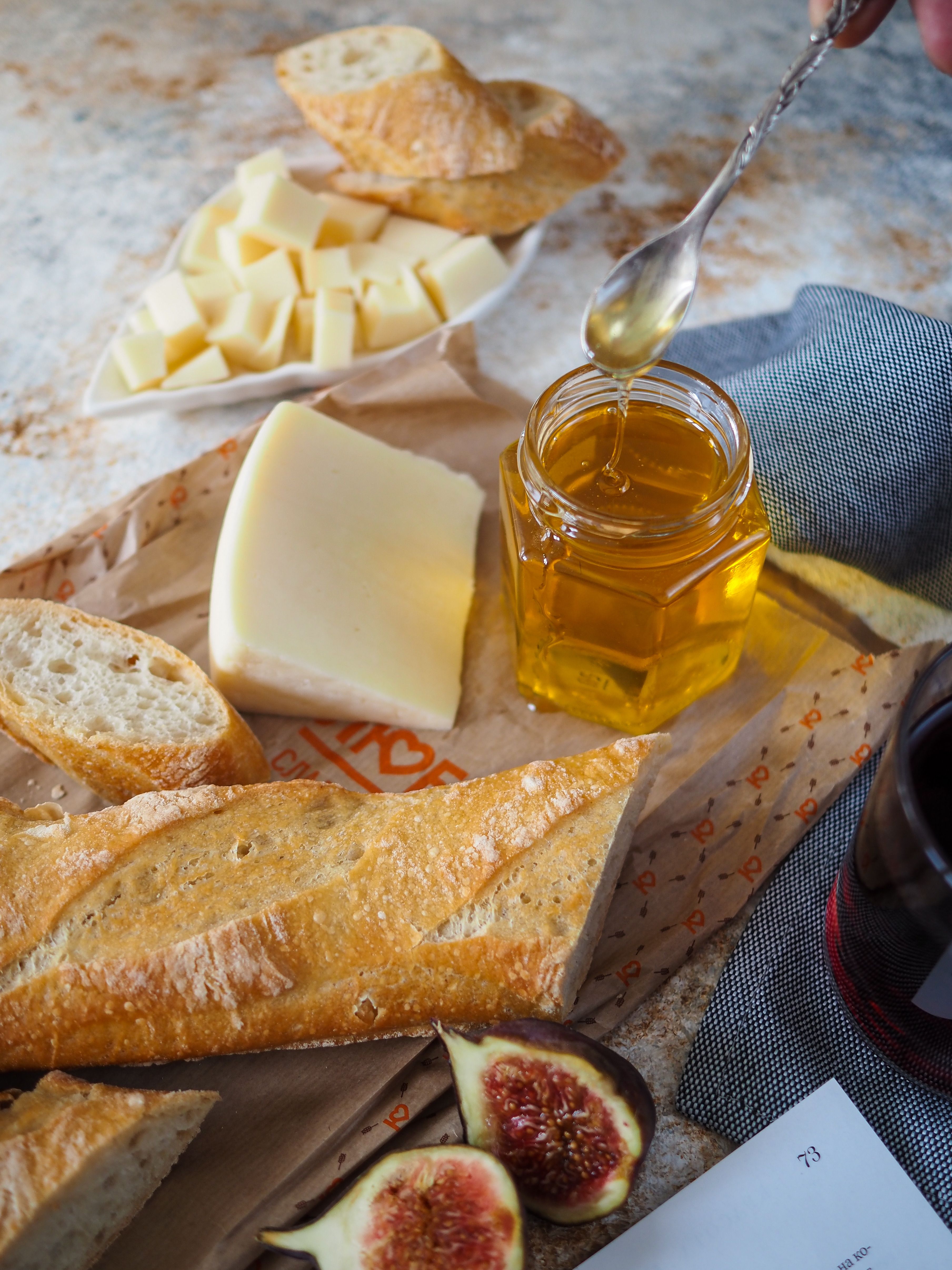
Welcome to my personal home brewing cellar! What began as a curious kitchen experiment with raw honey, fresh fruit, and wild yeasts has evolved into a rewarding craft. As a small-scale hobbyist brewer, I focus on crafting artisanal wines, meads, and ciders in modest, carefully tended batches.
Every batch represents patience, scientific curiosity, and the simple joy of creating authentic flavors by hand. This studio serves as my notebook and toolkit for tracking fermentation milestones, balancing recipes, and sharing my passion for craft brewing.
Small Batches
Focused on artisanal quality, care, and attention to detail.
Precision Craft
Tracked gravity readings, nutrient schedules & temp control.
Pure Ingredients
Raw varietal honeys, organic fruits & yeast strains.
The Home Cellar
Handcrafted in small 1-5 gallon batches
Featured Brews
Handpicked artisanal wine, mead, and cider batches from our cellar.
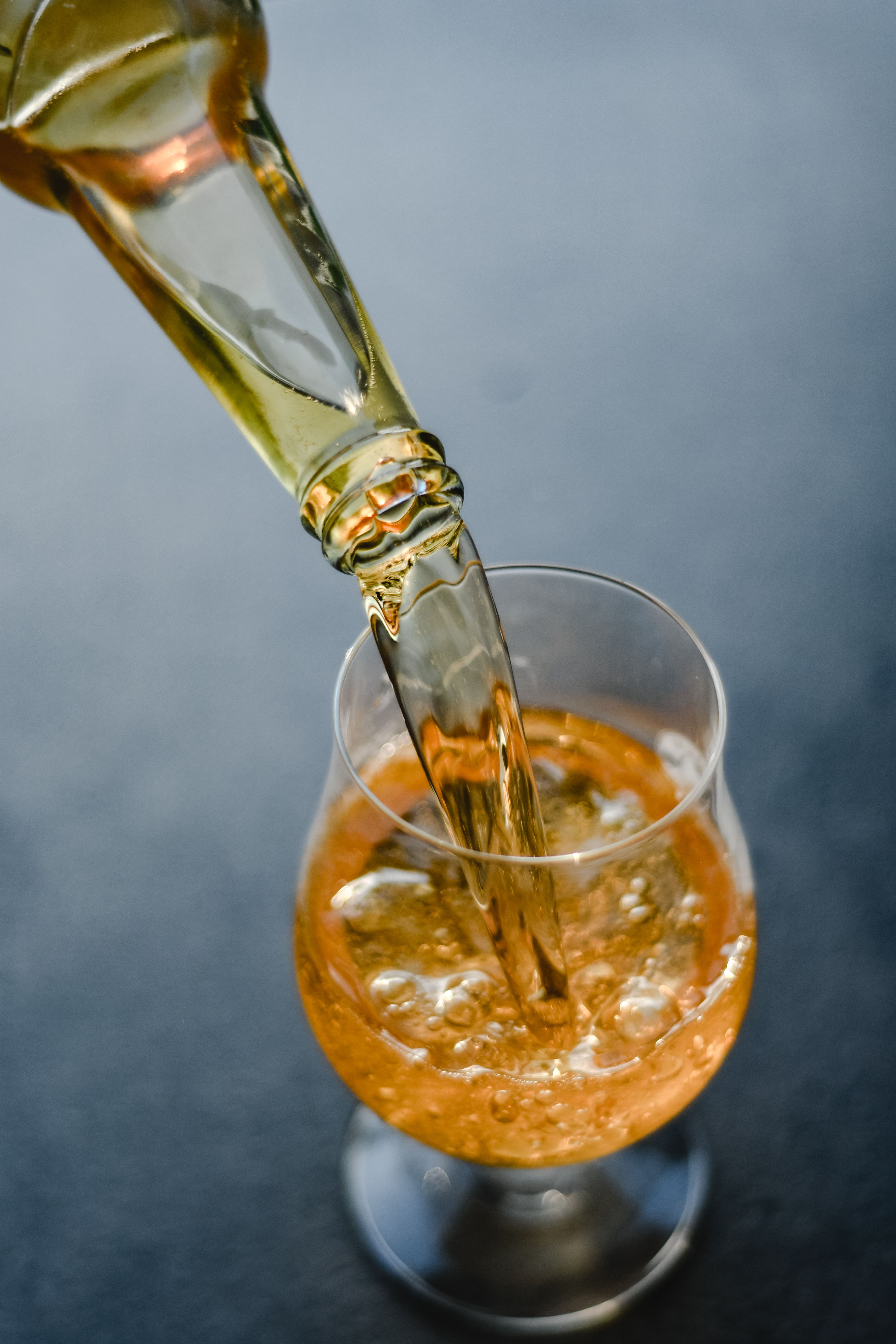
What the Fig?
Orange Blossom Honey • First Street
What is Mead & Its History
Uncover the science, 9,000-year historical trajectory, global origin points, and classic styles of humanity's oldest fermented beverage.
The Fermented Nectar of Natural Honey
Mead (commonly called honey wine) is an alcoholic beverage produced by fermenting natural honey diluted with water using specialized yeast strains.
Unlike beer (which derives sugars from malted barley and grains) or wine (which derives sugars from crushed grapes), mead relies on honey as its primary fermentable sugar source (fructose & glucose). Because honey lacks natural nitrogen, modern meadmakers utilize precision nutrients (YAN) to achieve smooth, clean fermentations ranging from bone-dry to rich dessert sweetness.
1. Honey (The Sugar & Aroma)
Composed of ~80% fermentable sugars (fructose & glucose) carrying floral varietal aromatics.
2. Pure Water (The Solvent)
Dilutes dense honey (SG ~1.400) down to a healthy fermentation target gravity (SG 1.080 - 1.140).
3. Yeast & Nutrients (The Fermenter)
Saccharomyces yeast converts sugars into ethanol and CO₂; YAN additions maintain yeast health.
Crisp, refreshing, with zero remaining sugars. Honey florals shine through aroma rather than sweetness.
Balanced residual honey sweetness that complements fruit or spice additions harmoniously.
Rich, full-bodied honey notes with noticeable residual sweetness reminiscent of dessert wines.
High gravity, velvety mead made with extra honey loading, resulting in potent ABV (14%-18%+) and intense sweetness.
9,000 Years of Verified History
Based strictly on archaeological, chemical, and historical manuscript evidence.
Neolithic Fermentation at Jiahu
Chemical analysis (gas chromatography-mass spectrometry) led by Dr. Patrick McGovern on ancient pottery jars from the Neolithic village of Jiahu in Henan province, China, revealed residues of beeswax, fermented honey, rice, hawthorn fruit, and wild grapes. This stands as the earliest confirmed chemical evidence of a fermented honey beverage in human history.
Madhu in the Sacred Rigveda
The ancient Sanskrit hymns of the Rigveda repeatedly extol Madhu (honey/fermented honey drink). It was revered as a divine nectar associated with the Ashvins and health-restoring rituals. The linguistic root *médhu evolved directly into the Proto-Germanic *meduz and Old English medu.
Greek Hydromeli & Classical Antiquity
In Bronze Age Mycenae and classical Greece, mead was known as Hydromeli ("water-honey") and heralded as the "Nectar of the Gods" or Ambrosia. Aristotle, Hippocrates, and Pliny the Elder documented recipes, noting its restorative and medicinal properties prior to the expansion of Mediterranean viticulture.
Norse Mead Halls & Skaldic Tradition
Mead became the central beverage of Celtic, Anglo-Saxon, and Scandinavian feasting culture. It features prominently in the epic poem Beowulf (set in the mead-hall Heorot) and Norse mythology, where the Mead of Poetry (crafted from Kvasir's blood and honey) bestowed wisdom and poetic eloquence upon whoever drank it.
Medieval Shift & Sugar Import Rise
While mead remained deeply rooted in Poland (miód pitny) and Eastern Europe, its popularity waned in Western Europe. The expansion of West Indies sugar cane imports reduced honey reliance, deforestation lowered wild bee numbers, and heavy honey taxation favored cheaper hopped beers and grape wines.
The Modern Craft Renaissance
Powered by advances in yeast nutrient management (Staggered Nutrient Addition - SNA), temperature-controlled stainless tanks, and single-varietal honey selection, commercial meaderies and homebrewers have revitalized mead into the fastest-growing craft beverage segment worldwide.
Global Origin Points & Regional Traditions
Select a region pin below to explore historical meadmaking evidence from around the globe.

1 Jiahu, Henan Province, China (~7000 BCE)
Earliest Chemically Confirmed BatchPottery vessels unearthed at the Neolithic site of Jiahu yielded pottery shards containing beeswax chemical biomarkers (palmitic acid esters), tartaric acid (from hawthorn/grape), and rice starches. This 9,000-year-old concoction is recognized by archaeobotanists as humanity's oldest verified fermented honey beverage.
2 Indus Valley & Vedic India (~2500 BCE)
Sanskrit Hymn TraditionsThe ancient Sanskrit hymns of the Rigveda contain numerous references to Madhu. Revered for its sweetness and health-restoring properties, honey beverages were consumed during sacred rituals. The Sanskrit word madhu is the direct ancestor of the English word mead.
3 Ancient Greece & Rome (~1500 BCE - 400 CE)
Hydromeli & MulsumGreeks called unfermented and fermented honey-water Hydromeli, viewing it as a divine gift from dew-collecting bees. Romans crafted Mulsum, a blend of wine, honey, and aromatic herbs. Both civilizations documented mead in medical treatises for digestion and wound dressing.
4 Scandinavia & British Isles (~500 BCE - 1500 CE)
Norse & Anglo-Saxon FeastingMead halls were the political and social centers of Germanic, Celtic, and Viking culture. Drinking mead from carved horn goblets sealed oaths and celebrated victories. In Polish tradition, royal decrees protected the production of Miód Pitny (categorized by honey-to-water ratios: Półtorak, Dwójnak, Trójnak).
5 Ethiopia & Horn of Africa (Ancient - Present)
Tej & Gesho BitteringTej is the national honey wine of Ethiopia, brewed continuously for millennia. Fermented with wild yeasts in earthenware gan pots, it is uniquely bittered using twigs and leaves of gesho (Rhamnus prinoides) rather than hops, serving as a vital living link to ancient meadmaking.
Official Mead Classification Styles
Standardized mead styles based on secondary ingredients and processing methods.
Traditional Mead
Made strictly with honey, water, and yeast. Showcases the unadulterated varietal floral character of the specific honey blossom (e.g., Orange Blossom, Clover, Wildflower).
Melomel
Mead fermented or aged with added fruit (e.g., blackberries, raspberries, cherries, blueberries). Fruit acids complement honey sweetness.
Cyser
Mead fermented by dissolving honey directly into freshly pressed apple juice or cider instead of water. Crisp and tart with baked apple aromatics.
Pyment
Mead fermented with red or white grape juice/must. Blends the tannic structure and acidity of wine grapes with rich honey sweetness.
Metheglin
Mead infused with spices, herbs, or florals (cinnamon, clove, vanilla beans, ginger, lavender, oak). The name stems from Welsh meddyglyn ("healing liquor").
Bochet
Mead crafted by boiling and intentionally caramelizing or scorching raw honey prior to dilution. Yields deep mahogany color with dark caramel, toffee, and toasted marshmallow notes.
Braggot
A hybrid beverage fermented from a blend of honey and malted barley wort, often hopped. Combines the malty backbone of beer with honey floral sweetness.
Acerglyn
Mead crafted by fermenting a combination of pure maple syrup and natural honey. Delivers rich woody, maple sap aromatics balanced by honey smoothness.
Essential Brewing Toolkit
Formulate recipes with precision using our dedicated suite of home brewing calculators.
Yeast Strain Directory
Search strain tolerances, temp ranges, and YAN requirements with interactive match wizard.
Gravity Calculator
Estimate Original Gravity (OG) based on sugar type (Honey, Cane, Brown) and water volume.
ABV % Calculator
Calculate Alcohol By Volume from Original Gravity (OG) and Final Gravity (FG) hydrometer readings.
Quick ABV Estimator
Adjust Original Gravity and Final Gravity to compute estimated ABV % and sugar density in real-time.
Frequently Asked Questions
Everything you need to know about home mead making, wine brewing, and fermentation.